
Planning an Icelandic road trip? Brilliant idea, if I do say so myself. But before you start dreaming about bathing in geothermal pools or chasing the Northern Lights, there’s one crucial decision to make. No, not your airfare (also important), who hands you the keys to your temporary home on wheels.
The right campervan rental company can make the difference between a flawless adventure and a slightly soggy disaster. This guide will help you steer clear of the duds and find a van (and team) worthy of Iceland’s mighty landscapes.
Why Campervans Are the Smart Way to See Iceland
There’s something almost rebellious about the idea of taking off into Iceland’s wild landscapes in a campervan.
No timetables. No overpriced hotels. No strangers giving the window seat to their rucksack on a tour bus. Just you, your campervan, and the open road stretching out like a volcanic catwalk (seriously, there’s basically a volcano everywhere).
Hiring a campervan isn’t just about saving money (though it does that rather nicely). It’s about complete freedom and the joy of self-sufficiency. With your home, kitchen, and transport rolled into one, you can shape your journey exactly how you want it (particularly ideal if one of you has ADHD).
You can chase the Northern Lights one evening, and drift off sleepily at a cosy campsite the next. If you find a favourite waterfall (and you will), you can stay as long as you like. And when you wake up, you’re already halfway to your next adventure, with no packing, and absolutely no checkout times (except when you bring us the camper back, of course).
The Freedom of the Open Road
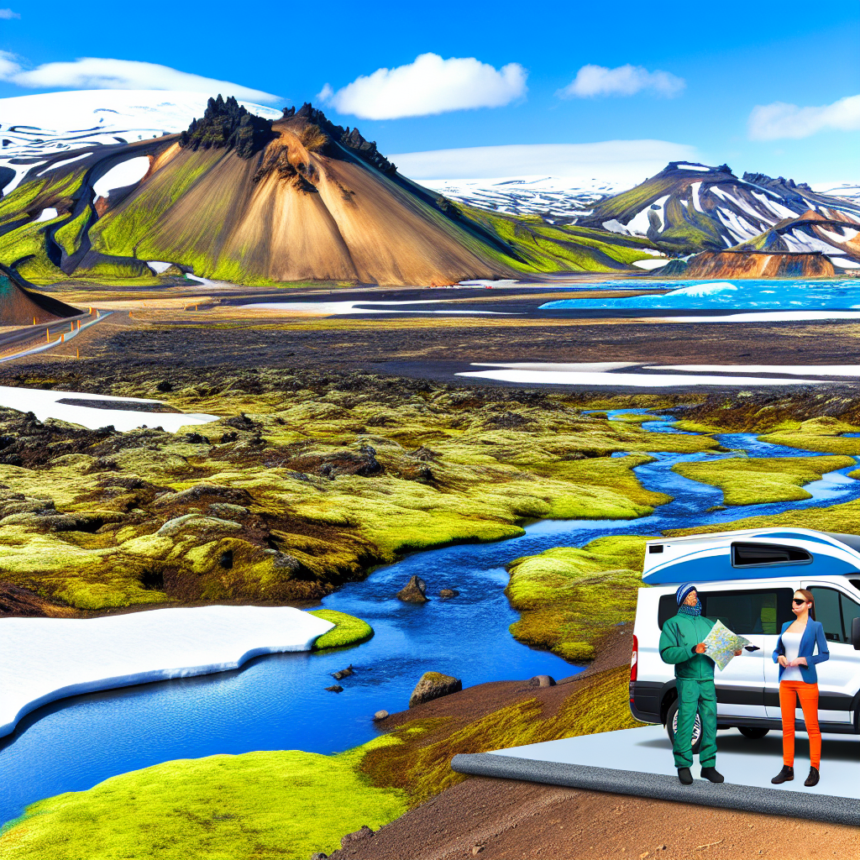
Iceland’s Ring Road is pretty ideal. And by that I mean it’s a single ribbon of tarmac encircling the island, winding through landscapes that change almost by the hour (you can’t really get lost if there’s one road, after all). One minute you’re driving through the black sands and glacier stretches of the South Coast, the next you’re skirting volcanic plains that look like the surface of Mars near Myvatn.
With a campervan, you don’t have to rush past any of the spectacular stopoffs or stick to someone else’s itinerary. You can pull over whenever something catches your eye, whether that’s a herd of Icelandic horses grazing in the mist or a cheeky gorge you want to check out. You stop, breathe, and take in the silence, watching the clouds roll over mountains that look like they were designed by Tolkien (the soundtrack picks itself).
Why Hotels and Tours Can’t Compete
There’s no hiding it (and why would I?), hotels in Iceland are pricey, and availability can vanish faster than a puffin in September. Those that remain often require months of advance booking and can easily eat through a traveller’s budget before you’ve even left Reykjavík. Even guesthouses and Airbnbs, though charming, can become a logistical headache when hopping between remote regions or popular tourist hotspots.
A campervan, on the other hand, gives you both a set of wheels and a bedroom with a million-dollar view. And, most importantly, for a fraction of the cost (I can hear you own personal kerching sound). It’s a two-for-one deal on comfort and convenience, allowing you to stay close to the action. Plus, you get to skip the awkward breakfast buffet small talk where we are aware that everyone is listening to your conversation.
Iceland’s Roads Are Built for Camper Adventures
You might think a country that spends half the year under snow would make for tough driving. Not so. The Icelandic Road Administration keeps major routes in superb condition year-round, regularly updating road conditions and weather alerts so travellers can plan with confidence. Even in winter, Iceland’s main roads are remarkably well-maintained and clearly marked, while rest areas and service stations are never too far apart.
That said, conditions can change in minutes. One valley may be draped in sunlight while the next is shrouded in dense fog (I even sometimes experience this oddness between streets in Reykjavík…simulation much?) Driving here demands awareness and respect for nature’s grumpier moments. A sturdy, well-equipped campervan with winter tyres, reliable heating, and GPS will make all the difference (in Winter).
Before setting off, it’s wise to check live road maps on Road.is and travel advisories on SafeTravel.is to keep up with closures or storms. A little bit of prep will make a great deal of difference (and you’re reading from a guy who has had at least one flat tyre from a dirt road in Iceland from getting too enthusiastic about the Back to the Future soundtrack he had on).
The Key Things to Look for in a Campervan Rental Company
Finding the right rental company can feel like trying to choose a lava rock from a field of thousands. They all promise great service, unlimited mileage, and “the best vans in Iceland.” But if you dig a little deeper, you’ll see the differences faster than you can say (or attempt to say) Skál!
Transparent Pricing and No Sneaky Extras
Beware the too-good-to-be-true daily rate. Some companies lure you in with cheap prices, then slap on extra fees for bedding, cooking kits, Wi-Fi, or even basic essentials like pillows and blankets. Others might charge extra for an additional driver or mileage limits that look generous until you’ve looped halfway around the Ring Road (sadly you can’t Flintstone it all the way back to your rental).
A trustworthy company will be upfront about every cost before you sign up. They’ll include all the key add-ons, such as insurance options, camping gear, kitchen equipment, and even airport transfers, without hiding them behind fine print. This transparency saves you from nasty surprises at checkout and makes budgeting your Iceland road trip much easier.
A good company (*cough*, like Happy Campers, *cough*) includes everything upfront, so you know exactly what you’re paying for and can focus on the fun part: planning your route across this stunning island.
The Quality (and Age) of the Campervans
Older vans might be cheaper, but Iceland’s roads and weather are unforgiving. A high-mileage camper that’s seen one too many winters might save you a few króna upfront, but it could cost you dearly in reliability, comfort, and fuel efficiency once you’re on the road.
Modern, custom-built campers offer better suspension, improved insulation, and heating systems that keep you snug when the wind howls at 2am. They’re also designed with smarter layouts, energy-efficient lighting, and upgraded storage, which provide the small details that turn long drives into effortless adventures.
For instance, our team builds and maintains our own fleet specifically for Icelandic conditions, ensuring every van is equipped for gravel tracks, biting winds, and unpredictable weather. After all, we discovered the correlation by the safer and happier you are, the more sleep we get (from less emergency calls), and we love sleep.
Insurance and Why The Fine Print That Matters
Iceland is a land of extremes, and that includes the wind. Insurance here is your lifeline when nature decides to test your patience. Read your insurance options carefully and make sure you understand what’s covered, and, more importantly, what’s not.
You’ll want protection against gravel damage (a given on Iceland’s many loose-surfaced roads), sand and ash storms that can ruin paintwork in minutes, and wind-related incidents that can turn opening a car door into a minor disaster. Comprehensive coverage should also include theft protection, collision damage waivers, and third-party liability.
A reputable company will take the time to explain each option clearly, provide real examples of what travellers often underestimate, and help you choose the right level of protection without overselling unnecessary extras. The best ones even have transparent insurance pages online, so you can compare plans before you arrive, with no nasty surprises as your jetlag kicks in.
Roadside Assistance and Support
Even the best campers can hiccup, and when they do, you’ll want help that actually knows where you are. Make sure your rental includes 24/7 roadside assistance that’s genuinely available across the country, from the ring road to the most remote corners of the Westfjords.
Ask if the company partners with local mechanics or has its own service network; quick local response can mean the difference between a brief delay and an entire day lost looking like Mr Bean on the side of the road.
Eco-Friendly and Locally Run Options
Iceland takes sustainability seriously. Travelling responsibly here is an expectation. Look for local companies that actively reduce their environmental impact through carbon offsets, renewable energy use, and fuel-efficient vehicle designs.
The best rental companies take steps such as minimising single-use plastics, supporting reforestation initiatives, and offsetting emissions from each trip. Many also educate travellers about Leave No Trace principles and provide eco-friendly travel tips to protect Iceland’s fragile ecosystems (don’t stand on the moss).
Our Green Mission is a great example of this. When commitment goes beyond words, investing in cleaner technology, responsible waste management, and finding smarter ways to look everything I moan to you not to do in my guides, it’s a great thing.
Understanding Campervan Types in Iceland
You don’t need a monster truck to see Iceland. The country’s main roads are surprisingly well-maintained and accessible to most standard vehicles, meaning you don’t need to fork out for an oversized 4×4 unless you’re heading deep into the Highlands in summer.
What you do need is a campervan that matches your travel style, budget, and comfort level. Whether you’re travelling solo and value simplicity, or journeying as a group and need space to stretch, the right campervan makes all the difference in how much you enjoy the road.
From Budget Vans to Luxury Campers
Budget travellers can get by with compact campers like the Happy 1, perfect for solo adventurers or couples who want something nimble, affordable, and easy to drive around Iceland’s winding roads. These smaller vans offer all the essentials, such as a cosy sleeping space, basic cooking facilities, and the freedom to park almost anywhere, making them ideal for travellers who value simplicity over space.
Those craving more comfort (and perhaps standing room) might prefer a Happy 3 or Happy 4×4, which provide extra room for gear, more storage, and upgraded amenities such as larger kitchen setups and built-in heating. These models suit small families or friends planning longer journeys, where having that extra bit of elbow room makes all the difference after a day of hiking.
Luxury in Iceland means warm bedding, proper insulation, reliable heating, and a layout designed for restful nights even when the Icelandic winds start their midnight encore.
2WD vs 4WD: What’s Actually Worth Paying For
If you plan to stick to the Ring Road, a 2WD camper is plenty. The paved route loops neatly around Iceland, connecting major towns and iconic natural sites without ever demanding off-road capabilities. For most travellers, a reliable 2WD van will get you to all of the main spots on the map, and then some.
But if you fancy a summer trek into the Icelandic Highlands, you’ll need a 4WD and an appetite for adventure. These rugged interior routes are remote, wild, and thrilling, but they require the right vehicle, which are built to cross rivers, handle unpaved tracks, and tackle steep inclines (for sure not my unreliable Peugeot).
The F-roads (mountain routes) are only open in summer and can be rough going, some are little more than gravel trails snaking through black desert or past steaming geothermal fields. Driving them demands patience, good tyres, and confidence behind the wheel. Always check Road.is for openings before you attempt them, and remember: off-roading outside designated routes is strictly illegal and damaging to Iceland’s fragile landscapes (re-read the Green Mission, my friend).
What You Really Need for Iceland’s Weather
In short, heated vans, insulated interiors, and proper sleeping bags are non-negotiable. If your rental company doesn’t offer heating as standard, move on. Icelandic nights get cold, even in July (unless you have the thermal regulation of a Puffin, that is).
Reviews, Reputation, and Real-World Experience
In Iceland, reputation is everything. From how a business handles a flat tyre in the middle of nowhere to how quickly they respond when the wind decides to redecorate your campsite. Real-world feedback from fellow travellers can reveal more than any sales pitch ever could. Fortunately, nowadays we are all aware of this, and endeavour to make our customers experience that extra special, whilst we obsessively try to beat our competitors by chasing stars.
How to Spot Red Flags in Customer Feedback
Repeated mentions of breakdowns, hidden fees, or poor communication are warning signs. They are the kind of patterns that should immediately raise your eyebrows and scribble that company off your list.
Look for how companies respond to these complaints; do they take responsibility, offer to make things right, and show genuine concern, or do they brush it off with canned replies from chatGPT?
The tone and transparency of their responses often reveal more about their customer service than the issues themselves. A trustworthy company will not only respond to negative reviews with clear explanations and solutions but also demonstrate ongoing improvement, using feedback to refine their service rather than ignore it (they also won’t get defensive or enlist the dark arts of gaslighting).
Why Local Knowledge Makes All the Difference
We’ll admit it, this is the part where we shamelessly toot (sound) our own horn. As a proudly local, family-run company, we live and breathe Iceland’s unpredictable weather, wild roads, and ever-changing landscapes.
We don’t just hand over the keys; we share our hard-earned insights (a lot of trial and error) about where to camp safely, which routes are open, and how to make the most of every mile. Unlike the big international rental chains, we know what it’s actually like to drive through a snow squall on the South Coast or navigate a surprise gravel stretch in the Westfjords (with some serious cliff edges which has added an extra few hairs to my beard, I assure you).
That’s why we design and customise our campervans specifically for these conditions, because we’re travellers too, and we’d never recommend anything we wouldn’t happily drive ourselves (or we would rebrand to unhappy campers).
Seasonal Tips for Picking the Right Rental
The time of year you visit Iceland changes everything, from road conditions to campsite availability and even how much daylight you’ll get to drive in. Understanding the seasons helps you pick the right campervan and plan your route wisely. Whether you crave the endless light of summer or the dark skies of winter, timing your trip right can turn a great road trip into an unforgettable one (and, you’ll be back!)
Summer Road Trips vs Winter Adventures
Summer is peak campervan season, with long days, lush scenery, and relatively mild weather that makes driving a breeze. Campsites are lively, roads are fully open, and you can explore everything from the remote Westfjords to the Eastfjords without worrying about closures. It’s the perfect time for travellers who love hiking, have a fondness of late night picnics, and crave a more social atmosphere at every stop.
But winter brings an entirely different kind of magic, with snow-dusted mountains, frozen waterfalls, and the elusive Northern Lights that dance across the skies in incredible canvasses of colour.
Winter road trips are quieter, more serene, and filled with moments that feel truly wild and untouched. Of course, the season demands respect and preparation: icy roads, shorter days, and sudden weather changes mean you’ll need to plan carefully and travel with the right equipment (but, then again, nothing worth experiencing comes easy, as they say).
For winter driving, make sure your campervan comes with studded tyres, a reliable heating system, and strong insulation to keep the cold at bay. At Happy Campers, we tailor our winter-ready vans specifically for these conditions, equipping them with everything from robust heaters to snow brushes and more, because we know Iceland doesn’t do “mild” winters.
Northern Lights and Off-Season Benefits
Travelling outside peak season means fewer crowds, lower prices, and a far better chance to catch the Aurora Borealis in all its glory. As autumn fades and winter settles in, the long dark nights provide the perfect canvas for nature’s most mesmerising light show.
The trick, of course, is mobility, and that’s where a campervan really shines. With your bed and wheels combined, you can chase the clearest skies at a moment’s notice, heading north when cloud cover looms or parking by an especially photogenic spot when the aurora forecast looks promising.
We love this time of year at Happy Campers because it’s when Iceland feels most intimate. The roads are quieter, the landscapes sharper, and the nights are more than alive with stars, Northern Lights, and sometimes very obvious meteor showers.
While others are tucked into hotels waiting for the clouds to part, you can simply roll a few kilometres down the road and claim a front-row seat to one of the world’s most breathtaking spectacles. It’s flexibility, adventure, and a touch of cosmic luck which would make even Neil DeGrasse Tyson envious.
In summer, portable BBQs, camping chairs, and a fold-out table make life on the road feel effortless, letting you enjoy long evenings under the midnight sun. You’ll also appreciate insect repellent, a good cooler for fresh food, and a small fan for those rare but glorious warm nights.
In winter, however, the priorities shift entirely. Extra blankets, insulated sleeping bags, snow brushes, and ice scrapers become essentials, as does a proper heater to keep the chill out. You’ll also want warm gloves, and an emergency light source for darker months (red light is better if you’re a keen nightsky photographer).
At Happy Campers, we include most of these as standard because we know exactly what travellers need for each season (plenty of freebies). We’ve spent years refining our camper setups to suit Iceland’s extreme shifts, whether you’re barbecuing in July to earn some brownie points or stargazing in between snowfall come February.
Why Happy Campers Ticks Every Box
With so many campervan rental options across Iceland, it can be tricky to know who actually delivers on their promises. We have built a solid reputation not just through marketing, but through years of genuine traveller feedback and local expertise. Before diving into what makes us stand out, it’s worth understanding why our approach to service, sustainability, and camper design puts us in a league of their own (reviewing ourselves out loud here).
Locally Owned, Family-Run, and Passionate About the Road
A bit about us: Founded in 2009 by a local Icelandic family, Happy Campers grew from a deep passion for freedom, exploration, and the sheer joy of the open road. What began as a humble idea to make road travel more accessible has grown into one of Iceland’s most trusted and beloved campervan companies.
We’ve spent years fine-tuning our campervans, routes, and service to give travellers a genuinely authentic Icelandic experience (with a couple of gags along the way). We don’t just aim to rent campervans; we share a way of seeing the country that we know and love, from the tiniest gravel paths leading to best spots to catch the Northern Lights.
We know every pothole, glacier, and gas station between Keflavík and Egilsstaðir because we drive these roads ourselves, and that local knowledge flows directly into everything we do (at least, I hope that’s coming across).
Custom-Built Campervans Made for Icelandic Conditions
Unlike companies that import generic campervans, we modify our fleet in-house to handle Iceland’s unique blend of beauty and brutality (not just the oil stains on Kamil’s jumper). Each camper is tailored for the country’s wind, weather, and wonderfully unpredictable terrain.
To achieve this, our team ensures that every camper that leaves our garage is tested, maintained, and improved upon by people who’ve actually lived out of them. Because when we say our campervans are road-tested, we mean literally (and sleep tested).
A Greener Way to Travel Iceland
We love Iceland too much not to take care of it (after all, it’s our home). That’s why sustainability is never an afterthought, it’s woven into everything we do. Our Green Mission means that every kilometre you drive is designed to minimise as much of the carbon footprint as possible, so you can explore guilt free and focus on having a blast (feel free to tell the locals if they moan).
Final Thoughts
Choosing the right campervan company is never about who shouts loudest online. It’s about trust, transparency, and knowing your camper won’t give up halfway to the Eastfjords with a smug looking reindeer grazing in front of you.
Do your research, read the reviews, and go with a team that actually knows what it means to live and drive in Iceland (otherwise chatGPT has taken over…which means Terminator 2 isn’t far away, John Connor).
Back