
GERIK Actually, of course, he shouldn’t have been checking Facebook while driving.
But when Baharum Adenang picked up the phone on October 21 this year, he saw that a friend of his had taken a photo that had gone viral. It represented the river they live by.
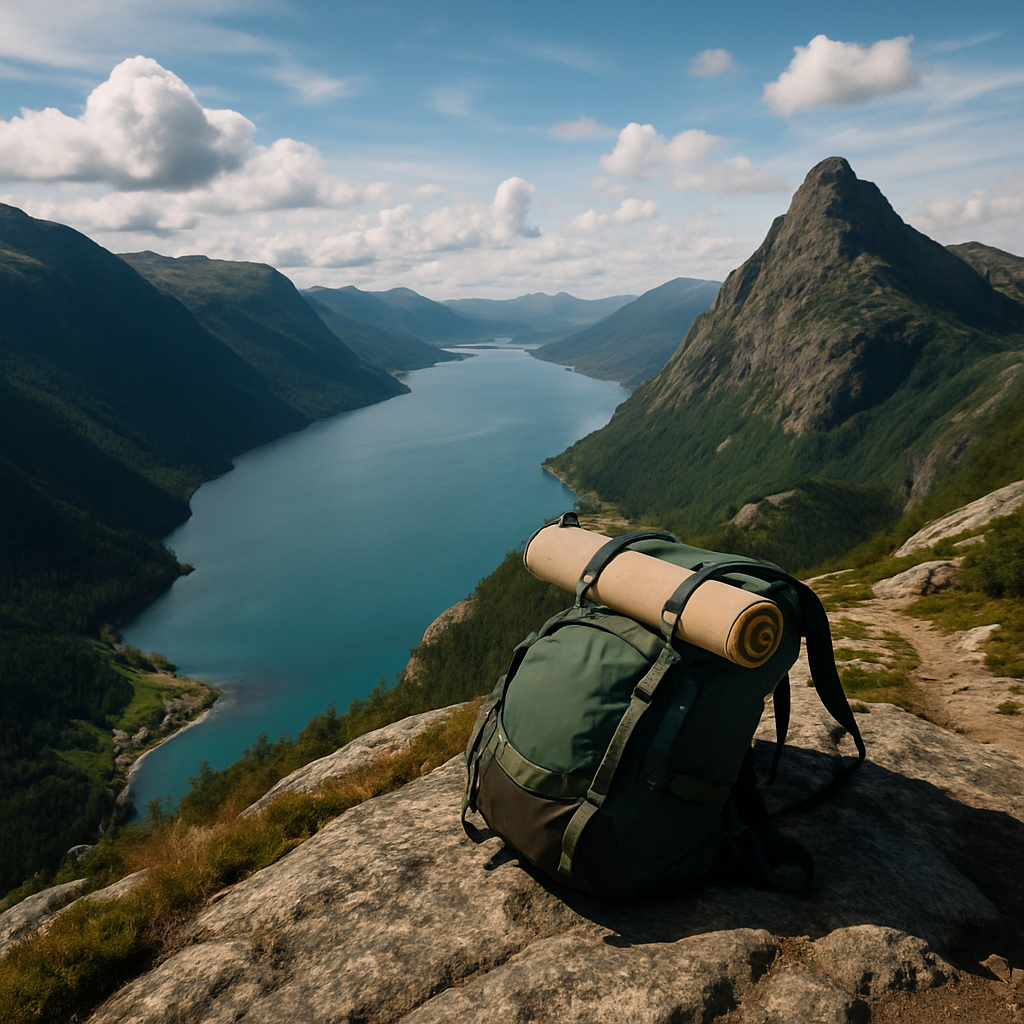
Instead of its usual brown color, the water had changed – to bright blue.
Baharum, who is the leader of the fishermen’s association in his village, immediately went there to investigate for himself. Once there, he discovered that it wasn’t just the color that was different.
– The fish behaved strangely, he says.
– They were lying and splashing at the surface. As if they were drunk.
The discoloration soon became a national scandal. The Perak River in northern Malaysia is a lifeblood of an influential state of the same name.
Heads must roll.
The eyes quickly went to three mines further upstream. Especially one of them, where rare earth metals are mined.
In parliament a few weeks later, the Minister of the Environment described what many others were thinking: He assumed that effluent from the mine had been tested, and that it had the same blue color as the water in the river.