
Travelling through Iceland is a bit like dating someone dramatic: breathtaking, unpredictable, and slightly dangerous if you don’t pay attention (I may be projecting here).
The weather changes its mind faster than you can say ‘Reykjavík,’ and the wind could probably qualify for its own weightlifting competition, proving a test at time for even the most hardy among you.
Mix that with slippery roads and scenery so distracting it feels like a trap, and you’ve got the recipe for one unforgettable adventure. The trick is learning to properly embrace Iceland’s bipolar weather, campervan keys in hand (trust me, that makes it all better).
Iceland’s Wild Weather: The First Thing You’ll Notice
If you’ve spent any time in Iceland, you’ll know the weather here has all the restraint of a toddler on espresso (I’m concerned if any of the parents amongst you allow this). One minute you’re basking in sunlight, the next you’re being exfoliated by sideways rain and volcanic grit.
It’s chaotic, it’s unpredictable, and it’s part of what makes travelling here such a thrill. But when you’re behind the wheel of a campervan, that charming unpredictability can quickly become the world’s most oddly enjoyable stress test.
Iceland sits on the edge of the Arctic Circle (we didn’t quite make the cut to the smugness of Norway), meaning four seasons can roll through before lunch. You might start the day in a T-shirt at Seljalandsfoss, wrap up in a parka at Skógafoss, and find yourself scraping ice off your windscreen by dinner.
The country’s mix of glaciers, volcanoes, and ocean currents brew microclimates that change faster than your significant other judging your Iceland Spotify playlist. For travellers, this means preparation is essential (another reason to read my guides!)
Understanding Iceland’s weather patterns helps you plan smarter. Summer offers long daylight hours but sudden fog, while winter brings snow, ice, and the occasional road closure that will (for sure) test your patience (and your snack supply). Autumn and spring are wild cards: beautiful but moody, with stunning light shows (the mighty aurora borealis, of course) and equally dramatic storms.
Driving in Iceland means accepting that nature, not you, makes the rules. That said, a bit of preparation (and the right campervan) turns weather drama into road trip legend. We know this all too well, which is why our campers are built to handle Iceland’s weather wind ups better than most humans (well, they are also metal, and can’t talk back).
Iceland Weather Forecasts: What to Trust and What to Ignore
There’s a fine art to predicting Iceland’s next torrent of blustery chaos, and most visitors get it wrong at least once. One valley could be basking in sunshine while the next is buried in sleet, providing a kind of meteorological roulette that keeps things interesting.
For road trippers, this means a forecast is more important than packing that unnecessarily extra pair of underwear that we all seem to do for some unknown reason. Knowing where the next storm is brewing can mean the difference between a smooth glide through lava fields and an impromptu day spent learning the Icelandic word for ‘please help’ (spoiler: there’s no common word for ‘please’, but vinsamlegast is close enough).
How Do I Check Iceland’s Weather Properly?
You’ve probably heard it a thousand times: only trust the IMO. And that’s not Icelandic superstition, it’s solid advice grounded in local experience. The Icelandic Meteorological Office (Vedur) provides the most accurate forecasts available, offering detailed data tailored to Iceland’s unique geography.
The island’s jagged coastlines, volcanic plains, and glacier-fed valleys create tiny weather pockets that can change in minutes. Vedur tracks these shifts using local weather stations and radar models designed specifically for Iceland’s conditions.
Global weather apps such as Apple Weather or AccuWeather don’t account for this complexity. They rely on broader regional models that treat Iceland as one uniform blob floating somewhere near Greenland, which might be acceptable for trivia but disastrous for road planning. Using them could mean driving headlong into a blizzard you didn’t know existed (cursing Apple along the way).
Vedur provides wind speeds (measured in m/s rather than mph), temperature, humidity, precipitation, and active warnings with near-scientific precision. Checking it becomes second nature once you understand that 20 m/s isn’t a gentle breeze but a force capable of turning car doors into airborne sculpture (it will also help those from the US and the UK learn more about the wonder of the metric system). This forecast will become your temporary daily travel companion for surviving Iceland’s ever-changing meteorological switch-ups.
What Apps Should I Have for Weather and Road Conditions?
Along with Vedur, you’ll want a few essentials saved on your phone:
- SafeTravel.is: the gospel of Icelandic road safety, complete with hazard warnings and real-time alerts.
- Road.is: live webcams, road closures, and surface conditions. Bookmark this one.
- Google Maps (offline): because mobile data can at times vanish faster than daylight in December.
We also share our own travel resources packed with local insight, weather tips, and practical advice for every kind of Iceland road trip. You can find detailed guides on route planning, understanding regional forecasts, and identifying safe, scenic parking spots that offer shelter from fierce winds.
There are also expert articles about driving conditions through each season, choosing the right campervan for winter or summer travel, and even insider recommendations for remote campsites where you can ride out a storm in peace. These resources are perfect for turning a potentially chaotic trip into a confident, well-informed adventure.
When to Change Plans Because of Weather
In Iceland, a flexible plan is a smart plan. If Vedur flashes orange or red warnings (or even, yellow), it’s not a dare, it’s a no-go. Those alerts mean serious weather is on the move, and ignoring them can lead to closed roads, zero visibility, and very p*ssed off rescue teams.
Flexibility here is as much a superpower as part of general common sense. Instead of stubbornly chasing a fixed route, learn to read the conditions and make small changes.
Travelling by campervan gives you that freedom to adapt. If the west is howling, head east. If the highlands are snowed in, explore the south coast. And if the weather really digs in, park up somewhere safe, throw on the kettle, and wait for the chaos to pass while you plan your next leg. Sometimes those unscheduled pauses become the best memories of all.
The Wind in Iceland: A Force You Should Never Underestimate
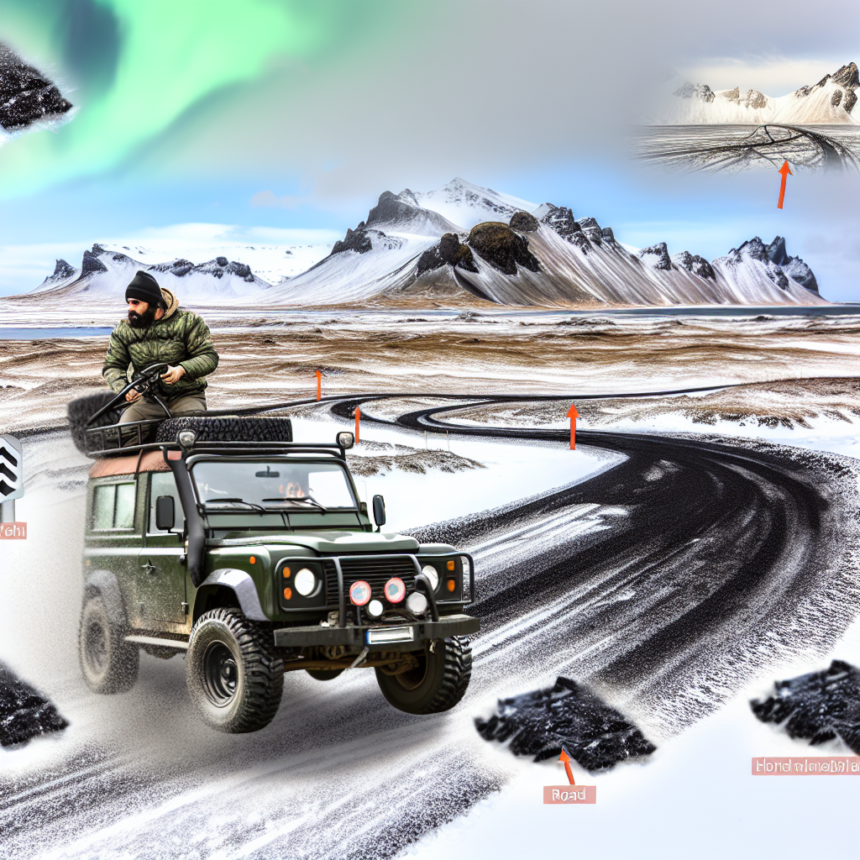
If Iceland had a national sport, it would be holding onto your car door (and supermarkets opening lazily late in the day). The wind here doesn’t just blow; it launches. Tourists underestimate it constantly, until their car or camper door is flapping like a seagull in distress (hopefully not against someone else’s car).
Why Is Wind Such a Big Deal for Campervans?
Campervans are basically large metal sails, broad, flat, and blissfully unaware of aerodynamics. Their generous size and shape make them perfect for living on the road but also make them prime targets for Iceland’s infamous crosswinds.
Once gusts hit 20 metres per second (around 45 mph), even the most confident driver will feel the steering wheel tremble more than it feels comfortable. Roads that look calm in photographs can quickly become white-knuckle stretches where you’ll find yourself gripping the wheel tighter than my father holding his bank card where the tip has been added without consent (he’s British).
Wind patterns vary drastically depending on terrain. Coastal routes like the South Coast are often blasted by strong gusts sweeping in from the Atlantic, while mountain passes can act as natural wind tunnels that amplify speed and intensity.
Even valleys that seem serene can suddenly channel wind like a turbocharged hairdryer (hitting Max Power levels). If Vedur’s forecast map looks alarmingly colourful, that’s not decorative, and it’s not Christmas; it’s your cue to pause, assess, and possibly wait out the worst of it. Having a coffee, double-checking conditions, or adjusting your route can save you a lot of stress, and maybe some door flapping, too.
How Do I Avoid the Van Door Being Ripped Off?
Ah yes, the classic campervan rite of passage, watching your door attempt a solo flight. It’s a sight locals know well and rental companies dread. To keep your van intact and your trip drama-free, there are a few golden rules worth tattooing on your travel brain (or just screenshot the below, both work):
- Always check the wind direction before opening any door; it only takes one careless moment to cause serious damage.
- Grip the handle firmly and use your body to block the wind when exiting.
- Park facing into the wind whenever possible, as this reduces pressure on the doors.
- Warn your passengers, especially the overenthusiastic ones, before they leap out like it’s a Hollywood escape scene.
- If in doubt, open doors slightly, test the resistance, and close them again until you’re sure it’s safe.
Ok, maybe I am being a little overdramatic here, but just be extra careful on those particularly blustery days.
What Wind Speeds Are Dangerous in Iceland?
In short, follow this:
- 10–15 m/s: Strong breeze, hold your doors.
- 16–20 m/s: Stay alert; avoid exposed mountain passes.
- 20+ m/s: Park. Make a tea or coffee. Pretend you meant to stop here anyway (not on the road).
You can always check Vedur’s wind map before heading off. Also, trust the locals, they’ve lost enough hats to know better (they generally pretend not to notice as they whisk off to join Dorothy).
Staying Warm, Safe, and Comfortable in Your Campervan
There’s a certain art to being cosy when the world outside looks like a snow globe in a washing machine. Icelandic nights can swing from mild to Arctic with little warning, so keeping your campervan comfortable should be both a matter of survival and style.
From finding the perfect overnight spot sheltered from the wind to brewing a midnight tea under a sky full of Northern Lights, mastering comfort here is part of the Icelandic road trip rite of passage, and your attempt to outsmart the elements with a grin (maybe).
Should I Sleep with the Heater On?
In short: no. This is one of the biggest campervan myths out there. Iceland nights can get nippy, yes, but modern campervans are designed to hold heat remarkably well. The golden rule is: heat first, then turn it off before sleeping.
Leaving the heater on all night not only wastes fuel but can lead to excess condensation (and a headache you didn’t order). Instead, run the heater for 20 minutes before bed, turn it off, and snuggle up.
All of our campervans are fitted with efficient Webasto heating systems that warm the cabin quickly and quietly, drawing minimal fuel while providing consistent, reliable heat even in sub-zero temperatures.
These systems are built for the Icelandic climate and ensure you stay warm without needing to keep the engine running. Combined with superior insulation, they make your camper a comfortable haven no matter how wild the weather outside becomes.
Best Practices for Sleeping Warm in Iceland
Layer your clothes, use a decent sleeping bag, and keep a spare blanket for extra comfort. Invest in thermal base layers and a good-quality wooly hat to lock in heat where it matters most.
Socks, too. Icelandic wool ones are worth every krona, dollar, pound, and dinar. Avoid sleeping in damp clothes and keep your bedding dry by airing it out during the day. If you wake up cold in the middle of the night, simply switch the heater back on for a short while until the chill fades. It’s an easy fix that won’t waste much fuel.
Park strategically to make the most of natural shelter; tucking your campervan beside low hills and trees can cut the wind dramatically. If the sky is clear, resist the temptation to draw the curtains straight away. You might just get the Northern Lights performing a private show above your roof, and no two nights are ever the same with a dance from the Green Lady (to confirm, I do just mean the Aurora Borealis, no other form of late night dance).
Road Safety in Iceland: What Every Camper Needs to Know
If the weather doesn’t get you, the roads might try (round 2). Iceland’s beauty comes with extra logistical quirks such as narrow bridges, gravel tracks, blind hills, and sheep with no sense of traffic law. The key to staying safe is awareness, not speed (no Lewis Hamilton driving here, please).
Common Road Hazards for Travellers
- Gravel roads: Slow down before turning; loose stones love to test your tyres.
- F-roads: Only for 4×4 vehicles. Our 4×4 Campervans are well built for these.
- One-lane bridges: First come, first served. Don’t play chicken (this isn’t Family Guy).
- Icy patches: Especially in spring and autumn. Black ice here is almost fully invisible.
Before every drive, check Road.is for closures, surface conditions, and up-to-date road warnings, and SafeTravel.is for real-time safety alerts and travel recommendations (this better be tattooed now you are this deep in the guide).
Both platforms provide live webcam feeds, detailed weather data, and colour-coded maps that highlight which routes are open, slippery, or completely impassable. Taking a few minutes to review them can save hours of waiting or detours, particularly in winter when the weather changes quickly.
It’s also smart to follow the Icelandic Road and Coastal Administration on social media, as locals and travellers alike often share live updates, photos, and tips about the conditions ahead.
Road Rules and Driving Etiquette in Iceland
Headlights must be on 24/7 (yes, even in daylight) because visibility in Iceland can change in an instant, and other drivers rely on that constant glow to spot you through mist, sleet, or volcanic dust (this vog can occur more than you think in the Reykjanes region).
Seatbelts are non-negotiable (and should be everywhere in the world as far as I know); the combination of winding rural roads, sudden gusts, and icy patches make them a more essential here than in most countries, but I may be biased.
Speed limits vary depending on the surface. But in short, here are the rules to stick to: 90 km/h on paved roads, 80 km/h on gravel, and much lower in built-up areas, so it pays to stay alert to the signage, because the po-po love to give out a speeding ticket to a traveller on occasion.
Off-road driving is strictly illegal and heavily fined, with environmental damage that can last for centuries. The fragile moss and lava fields may look sturdy, but they’re delicate ecosystems that can take hundreds of years to recover from a single set of tyre tracks (don’t be that guy or gal).
Always stick to marked roads and designated parking areas, both to protect the land and to avoid a hefty fine from Icelandic authorities.
What to Do If Weather Turns Mid-Drive
If the weather suddenly decides to play rough, don’t panic. Pull over safely, switch on your hazard lights, and park facing into the wind to stabilise your vehicle. Your campervan is designed to be your mobile refuge, built to handle Iceland’s wild weather tantrums better than most.
Use the time wisely: keep yourself calm, check updated forecasts on Vedur.is and road conditions on Road.is, and plan your next leg with care. If visibility drops completely, stay inside until conditions improve.
Icelandic storms can pass in minutes or linger for hours, so patience is your best travel companion at times, but the forecasts should be able to predict these occurrences nowadays with a great deal of accuracy (no conspiracy theory needed).
Final Thoughts: Respect the Elements, Enjoy the Freedom
Iceland isn’t out to get you, it just doesn’t care if you’re cold. And that’s part of the fun. The wind, the weather, the wild roads, they’re all characters in the grand story of your Iceland road trip. Treat them with respect, laugh when things go sideways (sometimes literally), and remember: the journey’s half the adventure (the other half is the wind blowdriving your bed hair into something very Ace Ventura looking).
With the right campervan, a dose of common sense, and a solid grip on your door handle, you’ll do just fine. Book your Happy Campers campervan and see what Iceland throws your way, just don’t forget to check the weather rather than doomscroll.
Back